
Protecting Access to Maternal Vaccines Means Protecting Choice for Moms and Babies
Maternal vaccination is a personal choice – one that millions of pregnant women make each year with their doctors to ensure they are best protecting themselves and their babies from serious, preventable illness.
Routine vaccine recommendations support that choice by providing clear medical guidance, ensuring consistent coverage, and sustaining reliable access to vaccines during pregnancy.
Importantly, routine recommendations do not replace conversations between patients and providers or interfere with personal decision-making. In fact, routine recommendations help preserve decision-making by ensuring women can access the preventive care they choose without barriers and on their own terms.

RECOMMENDED
The CDC and leading medical societies, including the American College of Obstetricians and Gynecologists (ACOG), the American Academy of Pediatrics (AAP), and the Society for Maternal-Fetal Medicine (SMFM) all recommend flu, Tdap, RSV, and COVID-19 vaccines during pregnancy.
These recommendations reflect broad medical consensus and help ensure women and their doctors have clear, consistent guidance about how to provide the best preventive care and protection for mothers and babies during pregnancy.

COVERED
Since maternal vaccinations are routinely recommended during pregnancy, they are free of cost to most people with no co-pays. That is because when vaccines are routinely recommended, nearly all private and public health insurance, including Medicaid, TRICARE and the Vaccines for Children (VFC) program, will cover those vaccines.
Maintaining routine recommendations helps ensure women can reliably access recommended maternal vaccines without insurance coverage restrictions or unnecessary obstacles.
CHOSEN
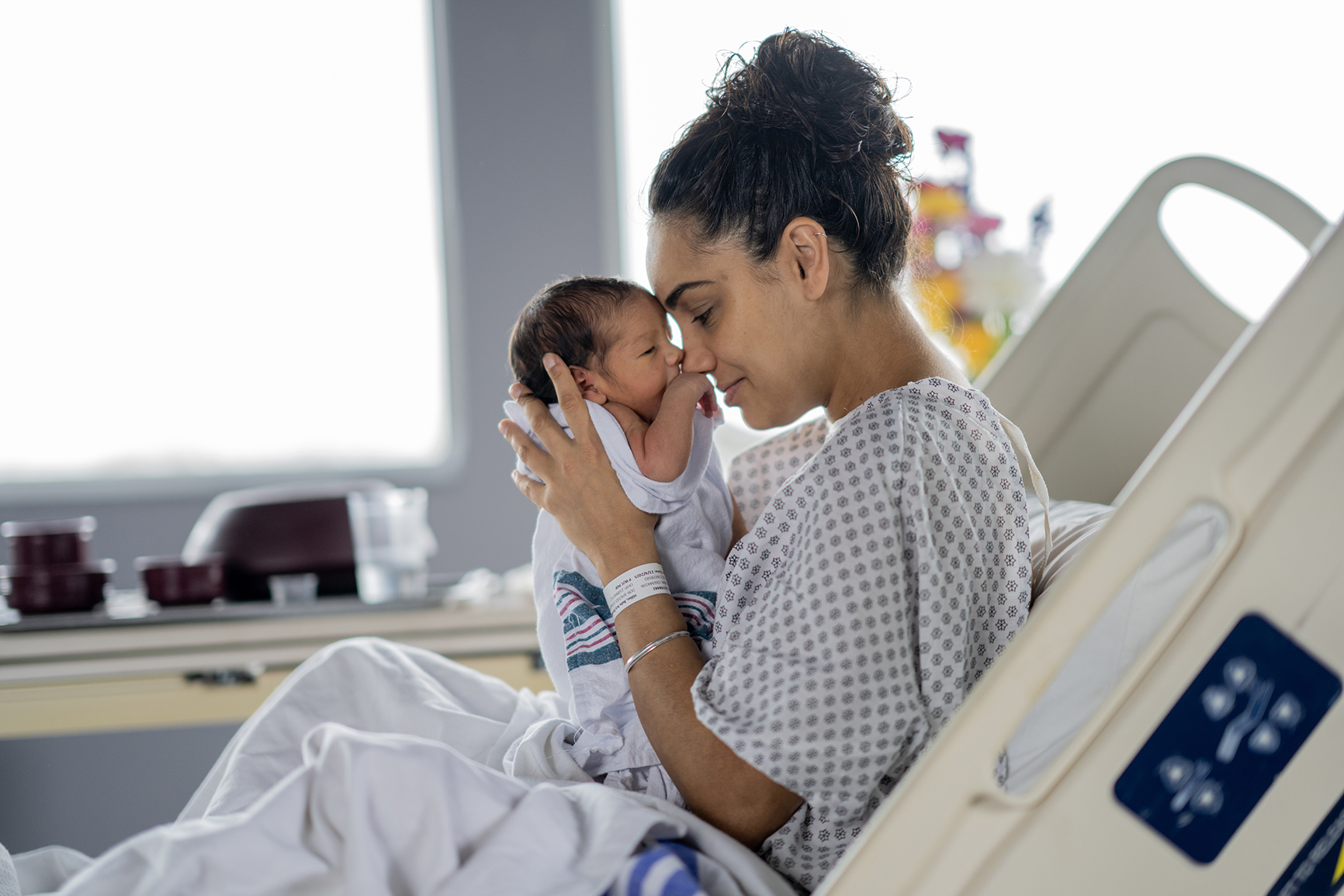
Maternal vaccination is a personal health choice made by a pregnant woman with her healthcare provider’s guidance.
Like choosing a mammogram, an annual check-up, or other preventive care, vaccination during pregnancy is never required. Routine recommendations do not replace personal decision-making – rather, they help ensure pregnant women can make the decisions that are right for themselves and their babies without added barriers.

LIFESAVING
In addition to flu and COVID-19 vaccines that help protect women when they are pregnant and reduce the risk of pregnancy complications, maternal vaccines can also protect babies from serious illnesses like respiratory syncytial virus (RSV) and pertussis (whooping cough) during their earliest and most vulnerable months of life.
Protective antibodies passed from mother to baby before birth can help reduce the risk of severe illness and hospitalization in infancy – making reliable access to recommended vaccines an important part of keeping both moms and babies healthy.