How are vaccines tested before approval and monitored for safety?
Vaccines go through a rigorous, multi-step process before they are approved for use.
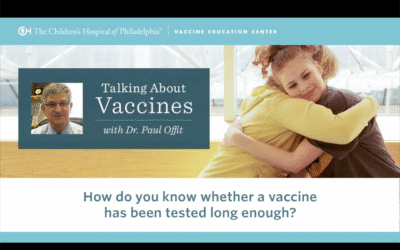
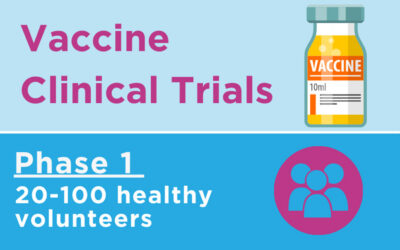
Typically, it takes years to develop a vaccine. That includes time in the laboratory developing the science and then multiple phases of testing to make sure the vaccine works and is safe. A new vaccine is tested in thousands of people before it is available to the public.
Part of this process includes testing vaccines in placebo-controlled trials or comparing them with other existing vaccines to confirm they work and are safe.
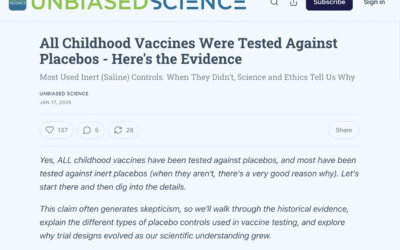
In many vaccine studies, researchers divide volunteers into two groups: one group that receives the vaccine, and another group that receives a placebo, a neutral substance (e.g., saltwater) that doesn’t contain any active vaccine components. Alternatively, new vaccines may be compared to existing safe and effective vaccines when it would be unethical to withhold protection. This process helps researchers determine whether the vaccine is safe and how well it works to prevent or reduce the severity of disease.
A vaccine is only made available to the public once studies show the benefits outweigh the risks.
Vaccine testing involves many independent physicians and researchers in addition to the companies developing the vaccine, and each step of the process must be reviewed by experts. The FDA oversees the process from early stages to final approval, often consulting outside experts to determine whether to approve the vaccine for the general public.
Monitoring for safety continues even after the vaccine is approved.
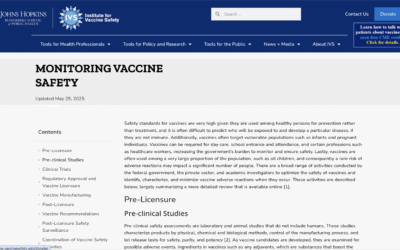
After a vaccine becomes available and is being used, it is still monitored in the real world by government agencies who work with healthcare providers, hospitals, and healthcare systems to see if very rare side effects emerge. This is important, because some side effects are so rare that they could not have been detected even in large clinical trials. Those results are monitored closely and almost in real time. These systems work, and we know that because in some cases, vaccines have been removed from the market due to problems that were identified by the safety monitoring system after approval.
Learn more about vaccine testing